Harvia
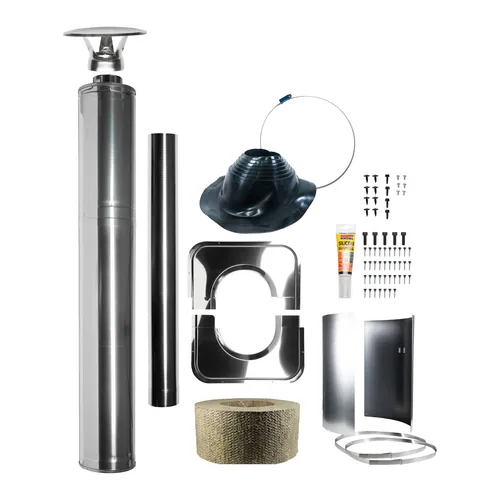
Harvia Stainless Steel Chimney Kit (WHP1500)
- Fits 4 models
Fits the Harvia Legend, M3, Pro 20 and Cilindro wood-burning stoves.
$1,088.00 CAD
Prices in CAD Nothing to pay until you approve your invoice
No payment until you approve your invoice
Prices in CAD · No payment until you approve your invoice
Chimney kits, pipe, adapters and pass-through parts for wood-burning sauna stoves.
Harvia
Fits the Harvia Legend, M3, Pro 20 and Cilindro wood-burning stoves.
Narvi
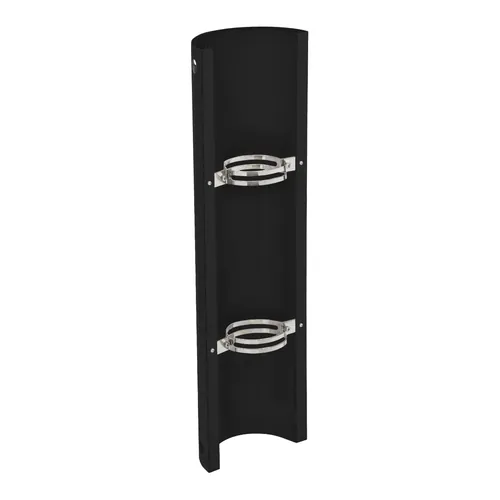
For the uninsulated smoke pipe above Narvi wood-burning stoves.
Narvi
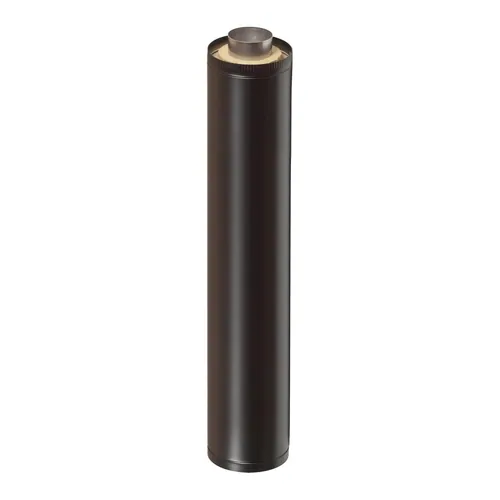
Extends the Narvi Standard Chimney Flue Kit (Narvi Sauna Chimney / Kota steel flue 15) only.
Narvi
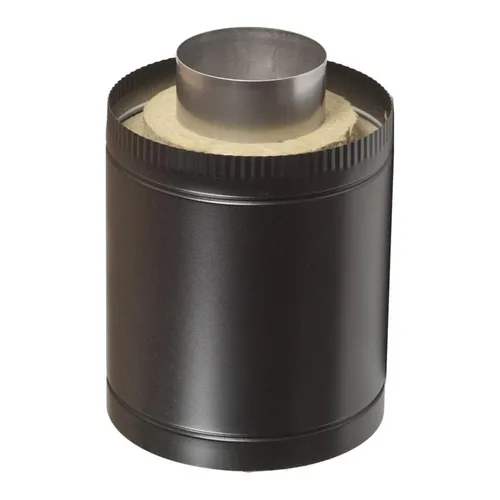
Extends the Narvi Standard Chimney Flue Kit (Narvi Sauna Chimney / Kota steel flue 15) only.
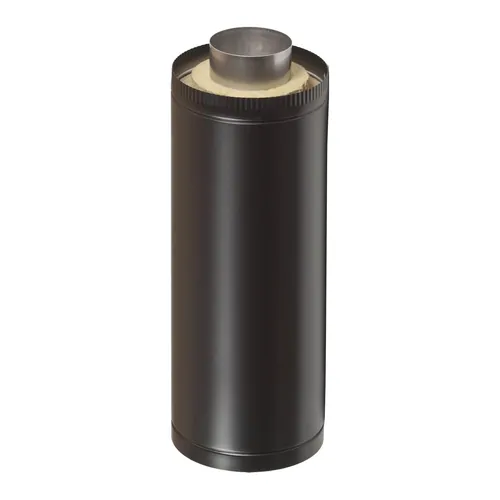
Narvi
Extends the Narvi Standard Chimney Flue Kit (Narvi Sauna Chimney / Kota steel flue 15) only.
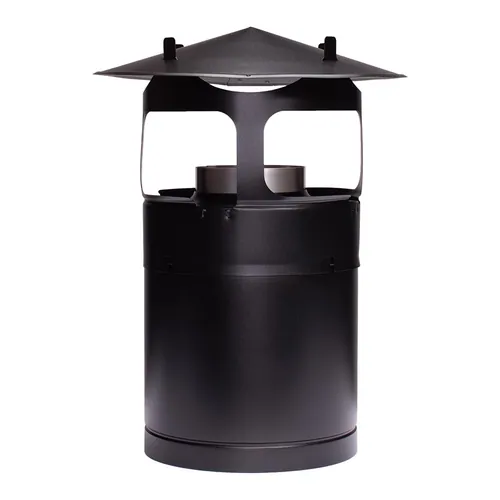
Narvi
For Narvi wood-burning stoves with a 119 mm flue outlet; with this kit, the 4.5-inch to 6-inch adapter isn't needed.
 Illustration
 HUUM
For the HUUM HIVE Wood and HIVE Flow wood-burning stoves.
Illustration HUUM
Offered with the HUUM HIVE Wood and HIVE Flow wood-burning stoves for barrel sauna installations.
Illustration HUUM
Offered with the HUUM HIVE Wood and HIVE Flow wood-burning stoves for through-the-ceiling installations.
Illustration Harvia
For the Harvia Legend, M3, Pro 20 and Cilindro wood-burning stoves connecting to a 6-inch chimney.
Illustration Narvi
For all Narvi wood-burning stoves connecting to a 6-inch chimney; not needed with the Narvi Standard Chimney Flue Kit.
Illustration Universal
For round chimney pipes between 178 and 330 mm in outside diameter.
No accessories match all of these filters.
Remove a filter, or tell us about your room and we'll suggest options.
A wood stove is only as safe as its chimney. Start with the flue outlet: many European sauna stoves have outlets of about 115–119 mm (roughly 4.5 inches), while North American chimney systems usually start at 6 inches. Either choose a chimney made for the stove, such as the Narvi Sauna Chimney or Harvia's WHP1500, or use the brand's adapter to step up to 6-inch pipe.
Insulated and uninsulated pipe behave very differently. Uninsulated pipe near the stove runs hot and needs large clearances; Narvi, for example, lists 70 cm for its uninsulated start pipe and 7 cm for its insulated sections. Shields and stone-filled covers can reduce that distance where the maker allows it, and Narvi says its flue shield cuts the pipe's clearance by 75%.
The ceiling and roof crossings need purpose-made parts: a feedthrough or pass-through unit, ceiling screens, roof flashing and a rain cap. Insulated extensions let you reach the height that code requires above the roof.
Chimney installations must meet local building code, and many insurers ask for a WETT inspection before they'll cover a wood-burning appliance. Share your plan with your building department or a WETT-certified inspector before ordering, and tell us your stove model so we can help build the parts list.
If your stove has a 4.5-inch (about 115 mm) outlet and your chimney system is 6-inch, yes. You don't need one with a chimney made for the stove, such as the Narvi Sauna Chimney on a Narvi stove.
Single-wall pipe is one layer of steel and runs very hot, so it needs large clearances and is used near the stove. Sandwich pipe has insulation between two walls, keeping the outside cooler for runs through ceilings and roofs.
Tall enough to draw well and to meet local code for height above the roof and nearby structures. Your installer or inspector sets the final figure; extensions let you reach it.
Stay within one system where you can, since parts from different makers may not join properly or be approved together. Adapters are the exception, as they're made to connect a stove to a chimney.
WETT-certified professionals inspect wood-burning installations against the manufacturer's instructions and code. Many insurers ask for one before covering a wood stove, so check with yours early.